Faucet Repair & Installation in Rancho Cordova, CA
A dripping faucet, a stuck handle, or a new fixture you'd rather have installed correctly the first time. We connect you with a local plumber.
A dripping faucet wastes more water than it seems like it should. It's almost always a worn internal part rather than anything wrong with the fixture as a whole. Most modern faucets use a cartridge, ball, or ceramic disc valve, and identifying which type you have is the first step to a lasting fix rather than a temporary one.
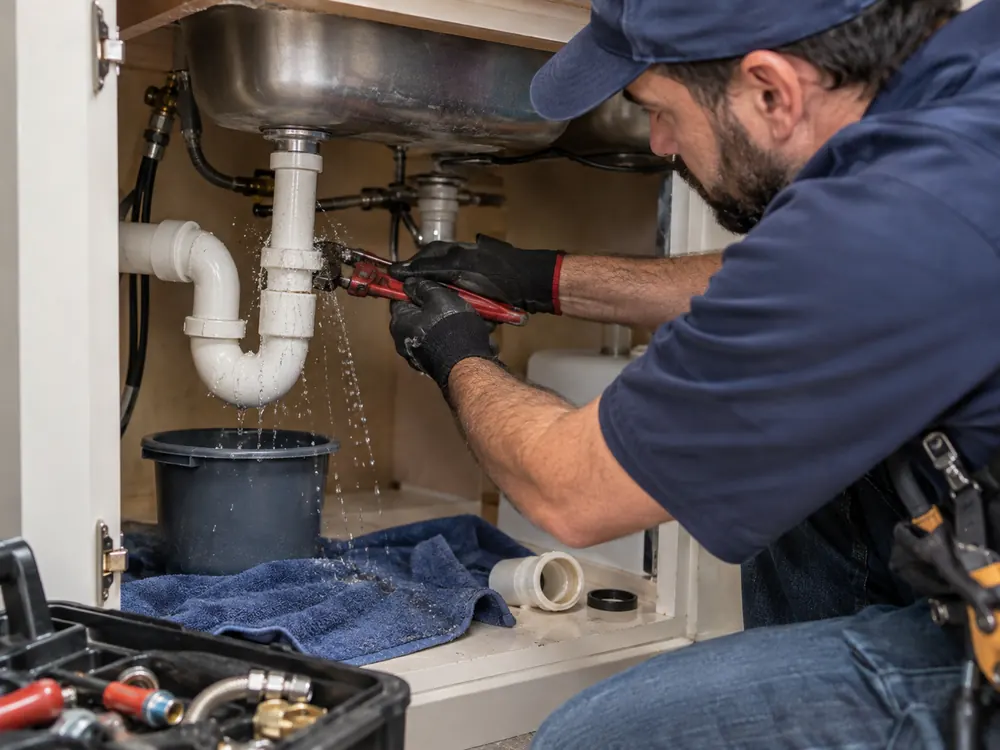
Why faucets drip
A cartridge or O-ring wears out from years of normal use and mineral content in the water. This is more likely to accelerate wear in areas with moderately hard water like Rancho Cordova. A drip at the base of the handle rather than the spout usually points to a worn O-ring instead. Either is a straightforward part swap once identified.
New installation, done right the first time
Installing a new kitchen or bathroom faucet looks simple but has a few details that cause problems down the line if skipped. Confirm the supply line connections match the new fixture's fittings, use the correct sealant at the base, and check that the sink deck isn't already showing early water damage from the old fixture. A plumber checks all of that as part of the install rather than after a leak shows up.
Outdoor and utility faucets
Outdoor hose bibs and utility sink faucets face different wear than indoor fixtures, mainly from exposure and, occasionally, a rare hard freeze. A freeze-resistant hose bib is worth considering for exterior use, even in Rancho Cordova's generally mild climate. This is because the occasional cold snap is enough to damage a standard one.
Supply valves and shutoffs
A faucet isn't the only valve that wears out. The small supply valve under a sink or behind a toilet, the shower valve inside the wall, and the hose valve behind a washing machine all use a similar internal seal to a faucet cartridge. Any of them can start dripping or seize up the same way. A supply valve that's cracked or won't fully shut off is worth treating as more urgent than a dripping faucet, since it controls your ability to stop water to that fixture in an emergency. If a valve won't turn at all, don't force it. A seized valve can snap under pressure.
Frequently Asked Questions
Tightening the handle doesn't fix a worn cartridge or O-ring, which is the actual source of most drips. The internal part needs to be replaced, not just tightened.
It's a common DIY project, but mismatched supply line fittings or an improperly sealed base are common causes of a leak weeks after a DIY install. A plumber can install it correctly the first time.
Yes. A faucet dripping even once every few seconds adds up to a meaningful amount of wasted water and higher water bills over a month.
Ceramic disc faucets tend to hold up better against mineral buildup than older ball-type or compression faucets, which is worth considering in an area with moderately hard water.
That's usually a clogged aerator at the tip of the faucet, where mineral deposits build up over time. Unscrewing and cleaning or replacing the aerator often restores full pressure at that fixture alone.
Most modern faucets use standard supply line connections, but some higher-end or older fixtures use proprietary fittings. A plumber checks compatibility before installation to avoid needing an adapter or a return trip.
It varies by usage and water quality, but a cartridge in an area with moderately hard water may need replacement somewhat sooner than in a softer-water area, often somewhere in the range of several years of normal household use.
Mineral buildup inside the valve mechanism is a common cause, especially in areas with moderately hard water. Cleaning or replacing the cartridge usually restores smooth operation.
Not necessarily. It's reasonable to replace fixtures as they fail or as part of a remodel, though replacing several at once during a single visit can reduce the overall labor cost compared to separate appointments.
A single-handle faucet has fewer parts that can wear out and is generally easier to operate, though a two-handle design remains a common and reliable choice, particularly in traditional bathroom layouts.
No, a properly installed new faucet shouldn't drip at all. A slight drip right after install usually points to a fitting that needs to be tightened slightly further or a supply line connection that wasn't fully seated.
It's worth treating as urgent even if nothing is actively leaking yet, since a seized or broken supply valve means you can't stop water to that fixture quickly if it does start leaking. Avoid forcing it, since a corroded valve can snap.
Yes. A washing machine supply valve uses a similar internal seal to a faucet and wears out the same way, so it's typically a straightforward valve replacement rather than a larger plumbing issue.
You Might Also Need
Talk to a Local Plumber About Faucet Repair & Installation
Calls are answered 24/7. Tell us what's going on and we'll connect you right away.
☎ Call (916) 234-8834